• 社科网首页
  • 客户端
  • 官方微博
  • 报刊投稿
  • 邮箱

2020年2月14日
  • 首页
  • 本所概况
    哲学所简介

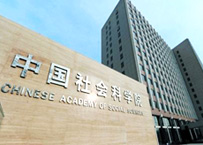
    中国社会科学院哲学研究所是我国哲学学科的重要学术机构和研究中心。其前身是中国科学院哲学社会科学部哲学研究所。历任所长为潘梓年、许立群、邢贲思、汝信(兼)、陈筠泉、李景源、谢地坤。中华人民共和国成立前,全国没有专门的哲学研究机构。为了适应社会主义改造和建设事业发展的需要... ... <详情>

    • 现任领导
    更多+
    • 1.jpg

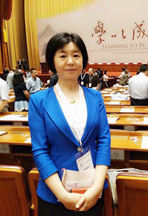
      张蕾

      党委书记

    • zhangzhiqiang.png

      张志强

      党委副书记,所长

    • 刘志明一寸1.png

      刘志明

      党委常委, 纪委书记,副所长

    • 微信图片_20240509110053.jpg

      周丹

      党委常委,副所长

    更多+
    • 王立胜

      党委书记、副所长

    • 冯颜利

      党委书记、副所长

    • 张志强

      党委书记、副所长

    • 王立胜

      党委书记、副所长

    组织机构
    更多+

    研究室

    • 习近平文化思想研究室
    • 马克思主义哲学原理研究室
    • 马克思主义哲学史研究室
    • 中国马克思主义哲学研究室
    • 中国哲学研究室
    • 东方哲学研究室
    • 西方哲学史研究室
    • 现代外国哲学研究室
    • 美学研究室
    • 伦理学研究室
    • 科学技术哲学研究室
    • 逻辑学研究室
    • 智能与逻辑实验室

    编辑部、图书资料室

    • 《哲学研究》编辑部
    • 《哲学动态》与《中国哲学年鉴》编辑部
    • 《世界哲学》编辑部
    • 图书资料室

    职能处室

    • 人事处
    • 办公室
    • 科研处

    社团学会

    研究中心

  • 党建工作
    历史沿革

    哲学研究所现行的领导体制是党委领导下的所长负责制。此前曾实行过党支部、党的领导小组、党总支、党委、机关党委、分党组、联合党委等领导形式。
    1955年4月,哲学所成立第一届党支部,周宜明担任支部书记,下半年党支部增设宣传委员和组织委员,李奇担任宣传委员,鲁孝文担任组织委员。<详情>

    党建专栏
    更多+
    • 1.png
    • 123fuben.png
    • 演示文稿1_01.png
    • 1713345686886.jpg
    • 微信图片_20240227160931.png
    • 1681457326940.png
    离退休工作
    更多+
    • 哲学研究所举办离退休干部2025年度秋季讲坛...
    • 闵家胤同志讣告
    • 哲学研究所举办离退休干部2025年度夏季讲坛...
    • 哲学研究所举办离退休干部2025年度春季讲坛...
    • 哲学研究所春节前夕走访慰问离退休干部
    工会、青年工作
    更多+
    • 展现女性哲人独特风采 聚焦女性哲人睿智力量——...
    • 关于做好我所甲型H1N1流感防控工作的通知
    • 青年哲学论坛暨哲学所建所55周年系列学术报告会
  • 研究学人
    已故名家
    更多+
    • panzinian.jpg潘梓年
    • jinyuelin.jpg金岳霖
    • 贺麟.jpg贺麟
    • 杜任之.jpg杜任之
    • 容肇祖.jpg容肇祖
    • 沈有鼎.jpg沈有鼎
    • wubaihui.jpg巫白慧
    • 杨一之.jpg杨一之
    荣誉学部委员
    更多+
    • 徐崇温(大图).png徐崇温
    • 陈筠泉(编辑图).png陈筠泉
    • 姚介厚.jpg姚介厚
    学部委员
    更多+
    • 李景源.jpg李景源
    • 赵汀阳4.jpg赵汀阳
    本所同仁

    在职学者

    • 正高级
    • 副高级
    • 中 级
    • 初 级

    离退休学者

  • 科研工作
    学科建设
    更多+
    • 马克思主义哲学
    • 中国哲学
    • 西方哲学
    • 东方哲学
    • 伦理学
    • 逻辑学
    • 科学技术哲学
    • 美学
    • 文化哲学
    学术动态
    更多+
    • 中国社会科学院重大创新项目“中华文明‘五个突出...
    • 研究阐释中华文明突出特性 构建中国哲学自主知识体系
    • 哲学研究所贾泽林、王柯平、詹文杰获2024年翻译界...
    • 哲学所“中国哲学学科团队”获评“首届中国社会科...
    • 我所1项课题获2020年度国家社科基金后期资助项目立项
    论著评介
    更多+
    • 侯杰耀著《社会选择与社会正义:当代分配正义的规...
    • 田时纲译《狱中札记(第一卷):历史唯物主义和克...
    • 《中国哲学年鉴2024》出版
    • 陈静 点校|以元本为底本的《四书纂疏》首次整理出版
    • 李薇著《从道德感到同情:18世纪英国道德情感主义...
    学术争鸣
    更多+
    • 【周丹】抗日战争伟大胜利的哲学阐释
    • 【闫培宇】“第二个结合”的世界历史意蕴
    • 【王京】大数据视域下马克思主义与中华优秀传统文...
    • 【董键铭】作为契约论政治哲学前提批判的生命政治学
    • 【贺翠香】社会批判理论关于“内在批判”的争议
    获奖、成果
    • 重大会议、论坛
    • 重大研究项目
    • 学者资助计划
    • 中国社会科学院优秀科研成果奖
    • 哲学所优秀科研成果奖
    • 哲学所青年哲学论坛获奖
    • 贺麟青年哲学奖
  • 学术期刊
    • 哲学研究 1739515365518.jpg
    • 哲学动态 哲学动态.png
    • 世界哲学 1744940280995.jpg
    • 中国哲学年鉴 中国哲学年鉴.png
    • 中国哲学史 W020200520604858941756.jpg
  • 人才培养
    博士后
    更多+
    ttpt003.jpg
    • 中国社会科学院博士后工作管理规定
    • 《中国社会科学院博士后工作管理规定》实施细则
    • 中国社会科学院博士后经费使用与管理办法
    • 哲学研究所关于博士后工作的管理办法
    • 2012年中国社会科学院哲学研究所博士后流动站...
    青年哲学论坛
    更多+
    ttpt004.jpg
    • 青年哲学论坛
    访问学者
    更多+
    • 中国社会科学院哲学研究所国内访问学者招收简章
    中英美暑期哲学学院
    更多+
    • 中英美暑期哲学学院第24期高级研讨班在京重启
    • 中英美暑期哲学学院第24期高级研讨班(道德责任与...
    • 中英美暑期哲学学院第24期高级研讨班(道德责任与...
    • 中英美暑期哲学学院第23期高级研讨班在华东师范大...
    • 中英美暑期哲学学院第22期高级研讨班在首都师范大...
  • 图书档案
    图书馆简介

    哲学专业书库的前身是哲学研究所图书馆,与哲学研究所同时成立于1955年。1994年底,院所图书馆合并之后将其划为哲学所自管库,从此只保留图书借阅流通业务,不再购进新书。

    2009年1月16日,作为中国社会科学院图书馆体制机制改革的重要举措之一,哲学专业书库正式挂牌。

    <详情>
    • 中国社会科学院哲学研究所哲学专业书库藏书特色简介
    • 哲学书库——几代馆人竭尽心力完整系统收藏书
    • 图书室藏书凝聚着科研人员的心血与汗水
    • 中国社会科学院哲学研究所图书室馆藏哲学书刊简况
    哲学学科服务
    更多+
    • 中文社会科学常用核心期刊目录来源
    • 中国社会科学院哲学研究所图书室馆藏哲学书刊简况
    • 哲学书库——几代馆人竭尽心力完整系统收藏书
    • 图书室藏书凝聚着科研人员的心血与汗水
    特色馆藏
    更多+
    • 【高颖 兰倩】四库底本《记纂渊海》考略
    • 傅兰雅与《格致汇编》
  • 哲学系
    哲学系简介

    哲学系以中国社会科学院哲学研究所为依托,成立于1978年。中国社会科学院哲学研究所为国家级专业研究学术机构。1955年成立中国科学院哲学社会科学部后,哲学所便开始招收培养研究生,因“文革”一度停止招生。自1978年中国社会科学院成立以来...<详情>

    哲学系动态
    更多+
    • 哲学院成功举办“深化科教融合,做好本科生教学和...
    • 哲学院召开2021年度春季工作会议
    • 第二届“中华传统文化民生奖学金”楼宇烈民生奖学...
    招生信息
    更多+
    • 2026年哲学院全国统考招收硕士研究生招生名额情况(接收推免生后)
    • 中国社会科学院大学哲学院2026年预推免研究生招生复试结果
    • 2026年哲学院接收推免研究生招生复试名单及复试安排
    • 中国社会科学院大学哲学院2026年硕士研究生招生专业目录
    • 2026年中国社会科学院大学哲学院硕士研究生招生入学考试参考书目
    表格下载
    更多+
    • 中国社会科学院大学硕士研究生招生思想政治素...
    • 报考导师意向表
    • 中国社会科学院大学研究生招生体格检查表
    • 2025年中国社会科学院大学哲学院哲学专业博士...
    • 中国社会科学院大学哲学院2025年博士研究生招...
    • 师资队伍
    • 学生名录
    • 常用链接
    • 联系我们

您当前的位置:首页>本所概况>通知公告

本所概况

  • 哲学所介绍

    Institute of Philosophy,CASS

  • 组织机构

    现任领导

    学术委员会

    专业技术职务评审委员会

    哲学院学位评定分委员会

    研究室

    编辑部、图书资料室

    职能处室

    社团学会

    研究中心

  • 历任领导
  • 现任领导
  • 历史资料

    大事记

    哲学所通讯

    回忆录

  • 通知公告
  • 新闻资讯
  • 人才招聘

北京国际人权学术研讨会第一轮通知

发布时间: 2010-03-02
【字号 +字号 -】


会议组织者:中国社会科学院哲学研究所

北京国际人权学术研讨会

第一轮通知


中国社会科学院社会发展研究中心

中国现代外国哲学学会

中英美暑期哲学学院

资助者:        福特基金会

组织委员会: 邱仁宗  单继刚  甘绍平  马寅卯  马新晶


前言:在当代的学术文化中,关于人权的讨论,无论在理论上,还是在实践上都起着重要作用。而有关人权的讨论,其特点是既比较深刻和具有创造性,又令人困惑。二次大战后国际组织文件中要求成员国关注人权,是为了防止重新出现类似纳粹、法西斯糟蹋人权的事件,但人权问题又往往被“政治化”,成为无端干涉他国内政的工具,再者学术界对人权的诠释以及有关人权的理论又多种多样,这种多样性又与文化的差异有关。中国开放改革的三十年经历着社会的深刻转型,在转型过程中自然提出了人权问题。对这些问题的合适回答和解决将对我国的国内和国外事务有重要作用。中国的哲学家、法学家、社会科学家以及其他知识分子学者探讨与人权相关的学术问题,将有利于我国人权问题的解决和国内人权的改进。国外的学者,尤其是那些对人权提出有影响的论述以及那些处理大规模迅速转型中实际问题有经验的学者将对我们提供重要帮助。

1. 目的:会议将集中于讨论人权的概念、理论、原则和价值,及其在中国和其他国家中的应用,也讨论在中国和其他国家改进人权的建议。会议期间将鼓励来自不同文化和国家的与会者之间自由交换意见和观点以及促进他们之间的相互理解。 

2. 参加者:会议将包括特邀发言人(境外和境内的特邀发言人待定)和申请与会人。我们欢迎哲学家、法学家、社会科学家、其他学者以及人文社会科学研究生来北京参加我们的会议。

3. 临时日程:

2010年10月15日星期五

注册

2010年10月16日星期六

开幕式

第1-4次会议:

招待会

2010年10月17日星期日

第5-8次会议

闭幕式

4. 地点:会议将在北京举行,具体地点:北京东方文化酒店(东城区交道口)

5. 语言:英语、中文

鉴于职业同声传译者翻译的困难,我们此次采用不同的方式解决语言沟通问题。我们将选择在专业和英语方面经过训练的学者负责外国特邀发言人的笔译和口译工作,事先将外国特邀发言人的中英文发言稿印在会议资料中。也请国内特邀发言人提供中英文发言资料,以便印在会议资料中。

6. 摘要和发言稿全文:特邀发言人请于2010年7月15日将论文的中英文摘要通过电子邮件发给秘书长马寅卯教授zhexue@yahoo.cn 。摘要格式如下:

摘要题目

作者姓名

作者单位和职称

Email 地址

摘要正文

请将中英文发言稿全文于2010年8月31日用电子邮件发给秘书长马寅卯教授zhexue@yahoo.cn 

7. 注册:注册时间为2010年10月15日星期五 09:00-18:00。特邀发言人免交注册费。其他与会者请于注册时缴纳注册费人民币300元,学生减半为150元。

8. 食宿:住宿信息将于以后提供。特邀发言人免交住宿费(2010年10月15-17日三晚),提前或延后住宿费用以及住店期间其他费用自理。其他与会者费用自理。

热烈欢迎您参加2010年北京国际人权学术研讨会!

组织委员会

秘书处


附录:以下问题供与会者参考:

1.    当断言某件事是人权时,这意味着什么?我们应该如何判断这样一种主张是否能得到辩护?
2.    是否一切权利都是人权?  在哪些方面其他权利不同于人权?
3.    有些人权是否比其他人权更重要?
4.    是否有脱贫的人权?
5.    对人权的最好理解是对人权一个一个地去理解,还是将人权看作是人权系统的一些要素?
6.    为了识别人权遭到破坏,我们是否需要一种人权理论?
7.    人权之间是否可能发生冲突? 如果有可能,应该如何解决这些冲突?
8.    哲学、历史、人类学、宗教、政治学、法律和经济学对理解人权能做好(删)什么贡献? 哪些学科对人权提供了最重要的洞见?
9.    是否有将人权分类的哲学上有用的方法?
10.   人权的法律概念是否不同于人权的伦理概念?
11.   人权是否独立于法律的认可?
12.   《人权法案》是否基本上是不民主的?
13.   不可能实现的人权是否不该称为权利?
14.   谁对满足基本人权负有责任?
15.   人权是不可剥夺的吗?或者人能放弃人权吗?
16.   是否有新的人权?
17.   权利的考虑是否应该约束政府的活动?
18.   制度安排是否能违反人权或符合人权?
19.   在不存在权利文化情况下制度安排能确保或维护权利吗?   
20.   权利理论如何与容忍理论相关?
21.   是否有集体权利与个人权利?如果有集体权利,它们是人权吗?
22.   权利理论与义务理论有怎样的关系? 其中一个比另一个更基本吗?
23.   我们应该将整个政治哲学基于人权理论之上吗?
24.   人权是否是普遍的还是它们仅适用于某些时候和某些地方?
25.   维护权利的最好地方是否是司法部门而不是立法机构?
26.   在维护人权中群体在公民社会中的作用是什么?
27.   媒体在人权方面有特殊的作用吗?
28.   人权对国际关系有什么含义?


BEIJING INTERNATIONAL CONFERENCE ON HUMAN RIGHTS


INSTITUTE OF PHILOSOPHY

CHINESE ACADEMY OF SOCIAL SCIENCES


BEIJING INTERNATIONAL CONFERENCE ON HUMAN RIGHTS

16-17 Sat.-Sun. October 2010

Beijing, China


FIRST CIRCULAR & CALL FOR PAPERS


Organisers:

Institute of Philosophy, Chinese Academy of Social Sciences

Institute of Social Development

Chinese Society for Contemporary Foreign Philosophy

Philosophy Summer School in China: China Britain USA


Sponsor:

The Ford Foundation


Questions of human rights play a crucial role, both theoretically and practically, in contemporary intellectual culture. The complex discussion of human rights is characterised by depth, puzzlement and creativity, while the ethical assessment of individual societies and international institutions is sensitive to how human rights are recognised and implemented. The dynamic transformation of Chinese society over the past three decades has raised important questions in China about human rights. Wisdom in answering these questions will help China to continue to consolidate its internal confidence and extend its external influence as a strong and stable power, while faulty answers will impede development in both domestic and international affairs. Chinese philosophers, lawyers, social scientists and other intellectuals are contributing to the exploration of the terms and consequences of proposals regarding human rights in China, and they can be assisted by the experience of foreign colleagues, especially those enunciating influential accounts of human rights and those dealing with practical problems of large-scale rapid transformation in their own countries.


1. Objectives: The Conference will focus on the concepts, theories, principles and values of human rights and their application in Chinese or in other contexts. The Conference will also discuss proposals for improving the implementation of human rights in China or other countries. During the Conference free exchange of opinions and viewpoints and mutual understanding between participants from different cultures and countries on human rights will be promoted.  


2. Participants: The conference will include invited participants and selected participants responding to this call for papers. Invited participants will be speakers at plenary sessions. Other participants, after their abstract is accepted and registration fee is paid, will speak at plenary or concurrent sessions. We welcome philosophers, lawyers, social scientists and other scholars to come to Beijing to participate in our Conference.


3. Invited Speakers


KEYNOTE SPEAKERS (overseas)


Professor Stephen Angle (Wesleyan University):

THE RIGHTS OF ALL UNDER HEAVEN: HUMAN RIGHTS AND

CONTEMPORARY CONFUCIAN IDEAS OF SOVEREIGNTY

Ci Jiwei (University of Hong Kong):

THE MORAL AMBIGUITY OF HUMAN RIGHTS

Neera Chandhoke (University of Delhi):

JUSTIFYING RIGHTS

James Nickel (University of Miami):

TBC

Randall Peerenboom (La Trobe University):

HANDLING SOCIO-ECONOMIC CLAIMS - OR RIGHTS –

IN LOWER-MIDDLE INCOME COUNTRIES

John Tasioulas (University of Oxford):

WHAT IS A HUMAN RIGHT?

Leif Wenar (King’s College London):                   

TBC


KEYNOTE SPEAKERS (mainland)

TBC


4. Provisional Schedule:


15 Fri. October 2010

Registration

Social Event


16 Sat. October 2010

Opening  

Sessions:

Social Event


17 Sun. October 2010

Sessions:

Closing Ceremony

Social Event


5. Venue: The Conference hotel will be at Beijing Oriental Cultural Hotel.


6. Language: The working languages of the Conference are Chinese and English.


7. Abstracts and Manuscripts: The abstracts by invited speakers and those responding to the call for papers should be sent to Professor Qiu Renzong rzq@chinaphs.org by email by 30 June 2010. The format of the abstract should be as follows:


The title of the abstract

Name of the author

Institution and academic position of the author

Email address

The text of the abstract


The full text of presentations should be sent to Professor Qiu Renzong rzq@chinaphs.org  by email by 1 August 2010.  Presentations by invited speakers will be 20-30 minutes and by those answering the call for papers will be 15-20 minutes.


8. Registration: Registration will be 09:00-18:00 on Beijing Oriental Cultural Hotel 15 October 2010. Invited speakers will be exempted from the Registration Fee. Other participants are required to pay a Registration Fee CNY 2000 (approximately USD 300, EURO 200 or GBP 190 depending on exchange rate at the time) to the Registration Desk. Students are required to pay CNY 1000.


9. Hotel Reservations: Information regarding hotel reservations will be provided later. Accommodation for invited speakers will be provided by the Conference for three nights: 15-17 October 2010, with extra nights and other costs paid by the speakers. Other participants will pay for their own accommodation.


10. Formal Invitation for Entry Visa: After receiving the abstracts, we will issue formal letters of invitation by 15 July 2010 to submit with visa applications by invited speakers and other participants whose abstracts have been accepted. Participants needing an invitation in order to apply for a grant should submit their abstracts as soon as possible to allow us to process their invitation early. We will send you further information later.


We warmly welcome you to participate in the Beijing International Conference on Human Rights in 2010!


The Organizing Committee

The Secretariat


Appendix: The following questions indicate some central issues to consider for the conference, but speakers are welcome to focus on other topics relating to human rights.

1.        What does it mean to assert that something is a human right? How should we judge whether such a claim is justified?
2.        Are all rights human rights?  In what ways do other rights differ from human rights?
3.        Are some human rights more important than other human rights?
4.        Is there a human right to be free from poverty?
5.        Are rights best understood one by one or as elements of a system of rights?
6.        Do we need a theory of human rights in order to recognise violations of human rights?
7.        Can there be a clash of rights? If so, how can they be settled?
8.        What can philosophy, history, anthropology, religion, politics, law and economics contribute to the understanding of human rights? Which disciplines provide the most important insights into human rights?
9.        Are there philosophically useful ways of classifying human rights?
10.    Do legal conceptions of human rights differ from moral conceptions of human rights?
11.    Do human rights exist independent of legal recognition?
12.    Is a Bill of Rights fundamentally undemocratic?
13.    Are human rights that cannot be realised undeserving of the title of rights?
14.    Who bears the duty to satisfy basic human rights?
15.    Are human rights inalienable or can human beings forfeit human rights?
16.    Can there be new human rights?
17.    Should considerations of rights constrain the activities of government?
18.    Can institutional arrangements violate human rights or be compliant with human rights?
19.    Can institutional arrangements secure or defend rights without a culture of rights?   
20.    How is the theory of rights related to the theory of tolerance?
21.    Are there collective rights as well as individual rights? If there are collective rights, are they human rights?
22.    How is the theory of rights related to a theory of obligations? Is one more basic than the other?
23.    Should we ground the whole of political philosophy on a theory of human rights?
24.    Are human rights universal or are they applicable only at certain times and in certain places?
25.    Are rights best defended by the judiciary and not by the legislature?
26.     What is the role of groups in civil society in defending human rights?
27.    Do the media have a special role regarding human rights?
28.     What are the implications of human rights for international relations?

 北京国际人权学术研讨会(特邀代表介绍).doc


分享到
友情链接 中国社会科学网 哲学中国网 中国儒学网 上海社会科学院哲学研究所 清华大学哲学系 更多>>

地址:北京市东城区建国门内大街5号邮编:100732

电话:(010)85195506 传真:(010)65137826 E-mail:philosophy@cass.org.cn

版权所有 中国社会科学院哲学研究所 京ICP备20004808号
  • 微信

    《哲学中国》

    《哲学研究》

    《哲学动态》

    《世界哲学》

首页

本所概况

  • 哲学所介绍
  • 组织机构
  • 历任领导
  • 现任领导
  • 历史资料
  • 通知公告
  • 新闻资讯
  • 人才招聘

党建工作

  • 历史沿革
  • 组织机构
  • 全面从严治党专栏
  • 政策方针
  • 党建专栏
  • 离退休工作
  • 工会、青年工作

研究学人

  • 荣誉学部委员
  • 学部委员
  • 本所同仁
  • 历史名家

科研工作

  • 学科建设
  • 学术动态
  • 论著评介
  • 学术争鸣
  • 获奖、成果
  • 重大会议、论坛
  • 重大研究项目
  • 学者资助计划

学术期刊

  • 哲学研究
  • 哲学动态
  • 世界哲学
  • 中国哲学年鉴
  • 中国哲学史

人才培养

  • 博士后
  • 访问学者
  • 青年哲学论坛
  • 中英美暑期学院

图书档案

  • 图书馆简介
  • 哲学学科服务
  • 特色馆藏

哲学系

  • 哲学系简介
  • 哲学系动态
  • 招生信息
  • 表格下载
  • 师资队伍
  • 学生名录
  • 常用链接
  • 联系我们
点击搜索
通知公告
  • · 哲学所介绍
  • · 组织机构
  • · 历任领导
  • · 现任领导
  • · 历史资料
  • · 通知公告
  • · 新闻资讯
  • · 人才招聘

北京国际人权学术研讨会第一轮通知

发布日期: 2010-03-02


会议组织者:中国社会科学院哲学研究所

北京国际人权学术研讨会

第一轮通知


中国社会科学院社会发展研究中心

中国现代外国哲学学会

中英美暑期哲学学院

资助者:        福特基金会

组织委员会: 邱仁宗  单继刚  甘绍平  马寅卯  马新晶


前言:在当代的学术文化中,关于人权的讨论,无论在理论上,还是在实践上都起着重要作用。而有关人权的讨论,其特点是既比较深刻和具有创造性,又令人困惑。二次大战后国际组织文件中要求成员国关注人权,是为了防止重新出现类似纳粹、法西斯糟蹋人权的事件,但人权问题又往往被“政治化”,成为无端干涉他国内政的工具,再者学术界对人权的诠释以及有关人权的理论又多种多样,这种多样性又与文化的差异有关。中国开放改革的三十年经历着社会的深刻转型,在转型过程中自然提出了人权问题。对这些问题的合适回答和解决将对我国的国内和国外事务有重要作用。中国的哲学家、法学家、社会科学家以及其他知识分子学者探讨与人权相关的学术问题,将有利于我国人权问题的解决和国内人权的改进。国外的学者,尤其是那些对人权提出有影响的论述以及那些处理大规模迅速转型中实际问题有经验的学者将对我们提供重要帮助。

1. 目的:会议将集中于讨论人权的概念、理论、原则和价值,及其在中国和其他国家中的应用,也讨论在中国和其他国家改进人权的建议。会议期间将鼓励来自不同文化和国家的与会者之间自由交换意见和观点以及促进他们之间的相互理解。 

2. 参加者:会议将包括特邀发言人(境外和境内的特邀发言人待定)和申请与会人。我们欢迎哲学家、法学家、社会科学家、其他学者以及人文社会科学研究生来北京参加我们的会议。

3. 临时日程:

2010年10月15日星期五

注册

2010年10月16日星期六

开幕式

第1-4次会议:

招待会

2010年10月17日星期日

第5-8次会议

闭幕式

4. 地点:会议将在北京举行,具体地点:北京东方文化酒店(东城区交道口)

5. 语言:英语、中文

鉴于职业同声传译者翻译的困难,我们此次采用不同的方式解决语言沟通问题。我们将选择在专业和英语方面经过训练的学者负责外国特邀发言人的笔译和口译工作,事先将外国特邀发言人的中英文发言稿印在会议资料中。也请国内特邀发言人提供中英文发言资料,以便印在会议资料中。

6. 摘要和发言稿全文:特邀发言人请于2010年7月15日将论文的中英文摘要通过电子邮件发给秘书长马寅卯教授zhexue@yahoo.cn 。摘要格式如下:

摘要题目

作者姓名

作者单位和职称

Email 地址

摘要正文

请将中英文发言稿全文于2010年8月31日用电子邮件发给秘书长马寅卯教授zhexue@yahoo.cn 

7. 注册:注册时间为2010年10月15日星期五 09:00-18:00。特邀发言人免交注册费。其他与会者请于注册时缴纳注册费人民币300元,学生减半为150元。

8. 食宿:住宿信息将于以后提供。特邀发言人免交住宿费(2010年10月15-17日三晚),提前或延后住宿费用以及住店期间其他费用自理。其他与会者费用自理。

热烈欢迎您参加2010年北京国际人权学术研讨会!

组织委员会

秘书处


附录:以下问题供与会者参考:

1.    当断言某件事是人权时,这意味着什么?我们应该如何判断这样一种主张是否能得到辩护?
2.    是否一切权利都是人权?  在哪些方面其他权利不同于人权?
3.    有些人权是否比其他人权更重要?
4.    是否有脱贫的人权?
5.    对人权的最好理解是对人权一个一个地去理解,还是将人权看作是人权系统的一些要素?
6.    为了识别人权遭到破坏,我们是否需要一种人权理论?
7.    人权之间是否可能发生冲突? 如果有可能,应该如何解决这些冲突?
8.    哲学、历史、人类学、宗教、政治学、法律和经济学对理解人权能做好(删)什么贡献? 哪些学科对人权提供了最重要的洞见?
9.    是否有将人权分类的哲学上有用的方法?
10.   人权的法律概念是否不同于人权的伦理概念?
11.   人权是否独立于法律的认可?
12.   《人权法案》是否基本上是不民主的?
13.   不可能实现的人权是否不该称为权利?
14.   谁对满足基本人权负有责任?
15.   人权是不可剥夺的吗?或者人能放弃人权吗?
16.   是否有新的人权?
17.   权利的考虑是否应该约束政府的活动?
18.   制度安排是否能违反人权或符合人权?
19.   在不存在权利文化情况下制度安排能确保或维护权利吗?   
20.   权利理论如何与容忍理论相关?
21.   是否有集体权利与个人权利?如果有集体权利,它们是人权吗?
22.   权利理论与义务理论有怎样的关系? 其中一个比另一个更基本吗?
23.   我们应该将整个政治哲学基于人权理论之上吗?
24.   人权是否是普遍的还是它们仅适用于某些时候和某些地方?
25.   维护权利的最好地方是否是司法部门而不是立法机构?
26.   在维护人权中群体在公民社会中的作用是什么?
27.   媒体在人权方面有特殊的作用吗?
28.   人权对国际关系有什么含义?


BEIJING INTERNATIONAL CONFERENCE ON HUMAN RIGHTS


INSTITUTE OF PHILOSOPHY

CHINESE ACADEMY OF SOCIAL SCIENCES


BEIJING INTERNATIONAL CONFERENCE ON HUMAN RIGHTS

16-17 Sat.-Sun. October 2010

Beijing, China


FIRST CIRCULAR & CALL FOR PAPERS


Organisers:

Institute of Philosophy, Chinese Academy of Social Sciences

Institute of Social Development

Chinese Society for Contemporary Foreign Philosophy

Philosophy Summer School in China: China Britain USA


Sponsor:

The Ford Foundation


Questions of human rights play a crucial role, both theoretically and practically, in contemporary intellectual culture. The complex discussion of human rights is characterised by depth, puzzlement and creativity, while the ethical assessment of individual societies and international institutions is sensitive to how human rights are recognised and implemented. The dynamic transformation of Chinese society over the past three decades has raised important questions in China about human rights. Wisdom in answering these questions will help China to continue to consolidate its internal confidence and extend its external influence as a strong and stable power, while faulty answers will impede development in both domestic and international affairs. Chinese philosophers, lawyers, social scientists and other intellectuals are contributing to the exploration of the terms and consequences of proposals regarding human rights in China, and they can be assisted by the experience of foreign colleagues, especially those enunciating influential accounts of human rights and those dealing with practical problems of large-scale rapid transformation in their own countries.


1. Objectives: The Conference will focus on the concepts, theories, principles and values of human rights and their application in Chinese or in other contexts. The Conference will also discuss proposals for improving the implementation of human rights in China or other countries. During the Conference free exchange of opinions and viewpoints and mutual understanding between participants from different cultures and countries on human rights will be promoted.  


2. Participants: The conference will include invited participants and selected participants responding to this call for papers. Invited participants will be speakers at plenary sessions. Other participants, after their abstract is accepted and registration fee is paid, will speak at plenary or concurrent sessions. We welcome philosophers, lawyers, social scientists and other scholars to come to Beijing to participate in our Conference.


3. Invited Speakers


KEYNOTE SPEAKERS (overseas)


Professor Stephen Angle (Wesleyan University):

THE RIGHTS OF ALL UNDER HEAVEN: HUMAN RIGHTS AND

CONTEMPORARY CONFUCIAN IDEAS OF SOVEREIGNTY

Ci Jiwei (University of Hong Kong):

THE MORAL AMBIGUITY OF HUMAN RIGHTS

Neera Chandhoke (University of Delhi):

JUSTIFYING RIGHTS

James Nickel (University of Miami):

TBC

Randall Peerenboom (La Trobe University):

HANDLING SOCIO-ECONOMIC CLAIMS - OR RIGHTS –

IN LOWER-MIDDLE INCOME COUNTRIES

John Tasioulas (University of Oxford):

WHAT IS A HUMAN RIGHT?

Leif Wenar (King’s College London):                   

TBC


KEYNOTE SPEAKERS (mainland)

TBC


4. Provisional Schedule:


15 Fri. October 2010

Registration

Social Event


16 Sat. October 2010

Opening  

Sessions:

Social Event


17 Sun. October 2010

Sessions:

Closing Ceremony

Social Event


5. Venue: The Conference hotel will be at Beijing Oriental Cultural Hotel.


6. Language: The working languages of the Conference are Chinese and English.


7. Abstracts and Manuscripts: The abstracts by invited speakers and those responding to the call for papers should be sent to Professor Qiu Renzong rzq@chinaphs.org by email by 30 June 2010. The format of the abstract should be as follows:


The title of the abstract

Name of the author

Institution and academic position of the author

Email address

The text of the abstract


The full text of presentations should be sent to Professor Qiu Renzong rzq@chinaphs.org  by email by 1 August 2010.  Presentations by invited speakers will be 20-30 minutes and by those answering the call for papers will be 15-20 minutes.


8. Registration: Registration will be 09:00-18:00 on Beijing Oriental Cultural Hotel 15 October 2010. Invited speakers will be exempted from the Registration Fee. Other participants are required to pay a Registration Fee CNY 2000 (approximately USD 300, EURO 200 or GBP 190 depending on exchange rate at the time) to the Registration Desk. Students are required to pay CNY 1000.


9. Hotel Reservations: Information regarding hotel reservations will be provided later. Accommodation for invited speakers will be provided by the Conference for three nights: 15-17 October 2010, with extra nights and other costs paid by the speakers. Other participants will pay for their own accommodation.


10. Formal Invitation for Entry Visa: After receiving the abstracts, we will issue formal letters of invitation by 15 July 2010 to submit with visa applications by invited speakers and other participants whose abstracts have been accepted. Participants needing an invitation in order to apply for a grant should submit their abstracts as soon as possible to allow us to process their invitation early. We will send you further information later.


We warmly welcome you to participate in the Beijing International Conference on Human Rights in 2010!


The Organizing Committee

The Secretariat


Appendix: The following questions indicate some central issues to consider for the conference, but speakers are welcome to focus on other topics relating to human rights.

1.        What does it mean to assert that something is a human right? How should we judge whether such a claim is justified?
2.        Are all rights human rights?  In what ways do other rights differ from human rights?
3.        Are some human rights more important than other human rights?
4.        Is there a human right to be free from poverty?
5.        Are rights best understood one by one or as elements of a system of rights?
6.        Do we need a theory of human rights in order to recognise violations of human rights?
7.        Can there be a clash of rights? If so, how can they be settled?
8.        What can philosophy, history, anthropology, religion, politics, law and economics contribute to the understanding of human rights? Which disciplines provide the most important insights into human rights?
9.        Are there philosophically useful ways of classifying human rights?
10.    Do legal conceptions of human rights differ from moral conceptions of human rights?
11.    Do human rights exist independent of legal recognition?
12.    Is a Bill of Rights fundamentally undemocratic?
13.    Are human rights that cannot be realised undeserving of the title of rights?
14.    Who bears the duty to satisfy basic human rights?
15.    Are human rights inalienable or can human beings forfeit human rights?
16.    Can there be new human rights?
17.    Should considerations of rights constrain the activities of government?
18.    Can institutional arrangements violate human rights or be compliant with human rights?
19.    Can institutional arrangements secure or defend rights without a culture of rights?   
20.    How is the theory of rights related to the theory of tolerance?
21.    Are there collective rights as well as individual rights? If there are collective rights, are they human rights?
22.    How is the theory of rights related to a theory of obligations? Is one more basic than the other?
23.    Should we ground the whole of political philosophy on a theory of human rights?
24.    Are human rights universal or are they applicable only at certain times and in certain places?
25.    Are rights best defended by the judiciary and not by the legislature?
26.     What is the role of groups in civil society in defending human rights?
27.    Do the media have a special role regarding human rights?
28.     What are the implications of human rights for international relations?

 北京国际人权学术研讨会(特邀代表介绍).doc

Top

中国社会科学院哲学研究所-版权所有